In recognition of Mental Health Month, we aim to raise awareness about mental illness and the importance of taking care of oneself.
Facts Brought to you by The National Alliance on Mental Illness NAMI
“1 in 5 U.S. adults experience mental illness each year”
“1 in 20 U.S. adults experience serious mental illness each year”
“1 in 6 U.S. youth aged 6-17 experience a mental health disorder each year”
“50% of all lifetime mental illness begins by age 14, and 75% by age 24”
“Suicide is the 2nd leading cause of death among people aged 10-14”
Facts Brought to you by The National Institute of Mental Health NIMH
Many people suffer from more than one mental disorder at a given time. In particular, depressive illnesses tend to co-occur with substance use and anxiety disorders.
Most people who commit suicide have a diagnosable mental disorder — most commonly a depressive disorder or a substance use disorder.
Approximately 18% of people ages 18- 54 in a given year, have an anxiety disorder in a given year.
The effects of mental illness can vary from person to person and aren’t always obvious. If you are experiencing a difficult time, know it’s okay to talk about it. Having the courage to share your experiences and struggles can help others realize that they are not alone. It’s time to change the narrative around mental health! We are allowed to cry, express emotions, and have mental health issues – this is not a weakness.
Steps Towards Prioritizing Your Mental Health
Self-Soothing Activities
Self-soothing activities help to calm the fight-flight-freeze response and activate the parasympathetic nervous system. Following major stressors, self soothing techniques can be used to regain homeostasis and reset the body. If you are experiencing high levels of stress or anxiety, it may be beneficial for you to try some self-soothing behaviors. Self-soothing techniques can vary from person to person, but some common strategies include:
- Deep breathing: practicing slow, deep breaths to promote relaxation and reduce stress.
- Engaging in physical activity: such as going for a walk, practicing yoga, or participating in a sport.
- Using sensory stimulation: such as taking a warm bath, listening to calming music, or smelling relaxing scents.
- Engaging in hobbies and interests: such as reading, drawing, or cooking.
- Practicing mindfulness: such as meditation or focusing on the present moment.
Self-soothing can be an effective way to manage difficult emotions and promote mental health and well-being. However, it’s important to note that self-soothing techniques are not a substitute for professional mental health treatment, and individuals experiencing persistent or severe emotional distress should seek the help of a mental health professional.
Spending Time Outside
There are numerous physical and psychological benefits associated with spending time outside! Undisturbed time in nature has been associated with reduced stress and anxiety levels, improved mood, and increased feelings of well-being. Exposure to sunlight can also boost levels of vitamin D, which has been linked to improved mood and a lower risk of depression. Also being outside in green spaces has been shown to have a positive effect on cognitive function and creativity. Outdoor activities that can help to boost our energy levels and mood:
- A nature walk
- Hiking a trail or mountain
- Planting flowers and vegetables in your garden
- Going on a trail run
- Playing with a pet
- Playing a sport
- Going on a picnic
- Playing at the park
- Swimming at a pool or beach
Immersing oneself in nature is an effective way to promote and maintain good mental health. Consider taking advantage of outdoor activities and scheduling quiet time in nature. It is not necessary to complete all of these activities at once; they can be done one after another in short intervals of time.
Vraie Therapy Group’s Self-Care Tools
How does your therapist take care of themselves? We’ve compiled a list of the Vraie Therapy Group team’s favorite activities! Watch our Team Self-Care Video on Instagram!
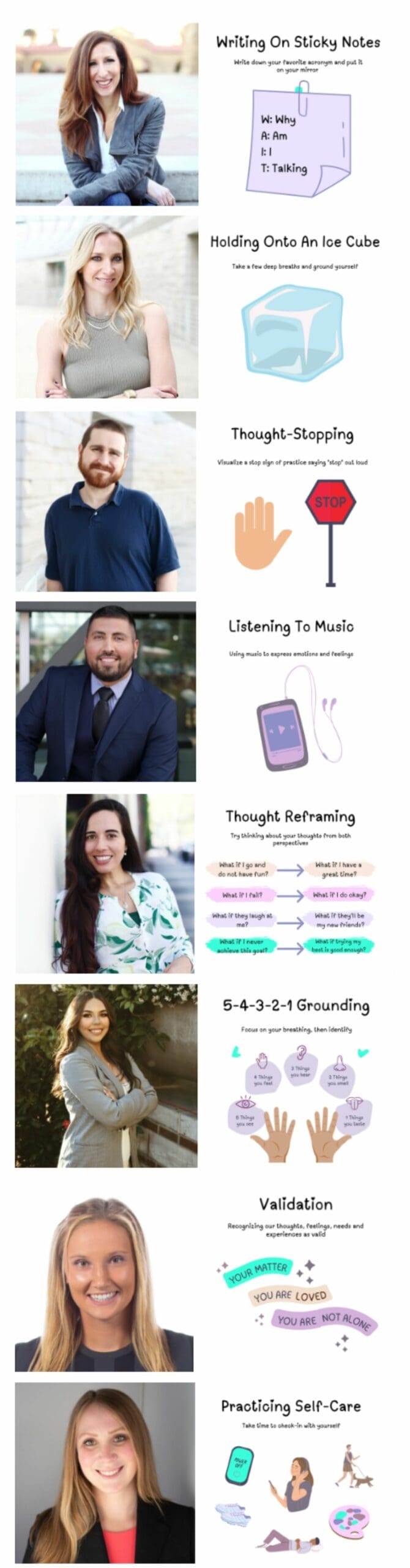
It’s important to keep in mind that it’s absolutely fine to make mistakes and not be flawless all the time. Providing ourselves with self-care and kindness is crucial for our overall health and happiness. It’s important to acknowledge that we all have imperfections, as it’s a natural part of being human. What are some ways you can be gentle and supportive towards yourself today?
If you are concerned about your safety or another’s please use the mental health resources below or go to your nearest emergency department.
Resources:
988 Suicide & Crisis Lifeline:
-Call 9-8-8
-Visit 988lifeline.org
National Veterans Line
-Call 988 and press 1
-Text 838255
-Visit veteranscrisisline.net
Trevor Project
-Call 1-866-488-7386
-Visit thetrevorproject.org
Please note: If you or a loved on is experiencing suicidal thoughts, ideations or desires, please call 988, 911 and go to your nearest emergency room.
Sources